Infection Prevention in Senior Living: Lessons Learned and Current Best Practices
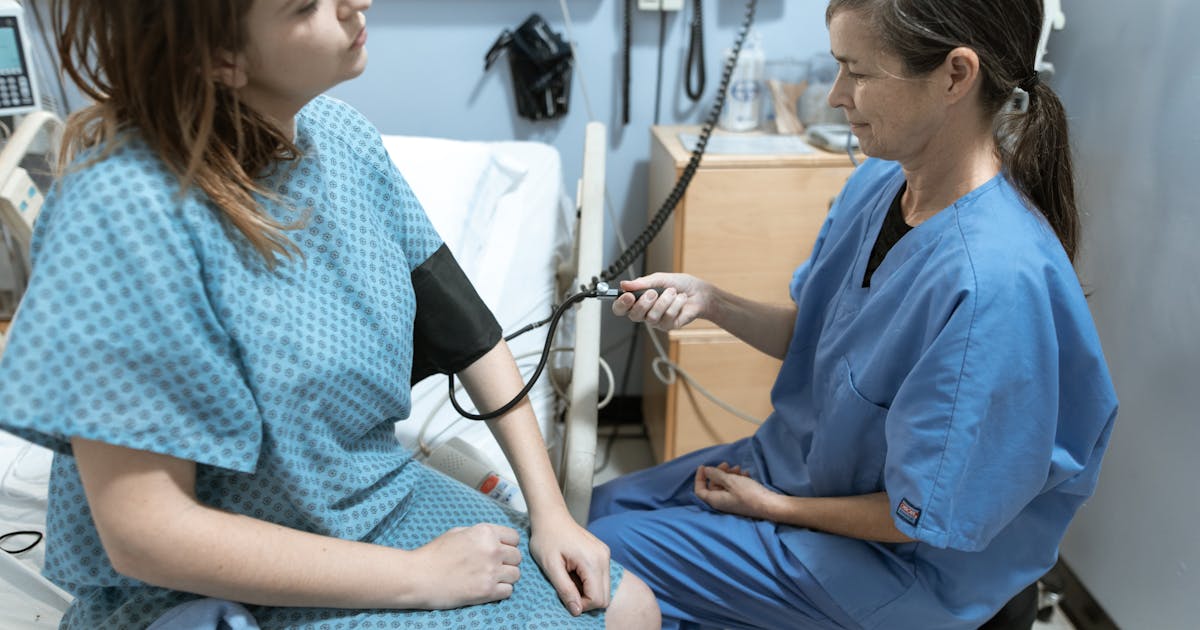
The COVID-19 pandemic exposed critical vulnerabilities in infection prevention across senior living facilities. Nursing homes and assisted living communities experienced devastating outbreaks, and the lessons from that period have permanently changed how families, regulators, and providers think about infectious disease in congregate care settings.
But infection prevention in senior living is not just about COVID-19. Influenza, norovirus, respiratory syncytial virus (RSV), C. difficile, urinary tract infections, and antibiotic-resistant organisms like MRSA are ongoing threats in any setting where older adults live in close proximity. This guide covers the current best practices in facility-based infection prevention and provides families with concrete questions to evaluate how well a community protects its residents.
Why Seniors Are More Vulnerable to Infections
Understanding why older adults face higher infection risk helps explain why infection prevention must be taken so seriously in senior care settings.
Biological factors:
- Immunosenescence: The aging immune system becomes less effective at fighting new infections and responding to vaccines
- Chronic conditions: Diabetes, heart disease, COPD, and kidney disease all compromise immune function and increase infection risk
- Medications: Immunosuppressive drugs, corticosteroids, and certain cancer treatments weaken immune response
- Malnutrition: Common among institutionalized seniors, poor nutrition directly impairs immune function
- Skin integrity: Aging skin is thinner and more fragile, creating entry points for bacteria
Environmental factors:
- Congregate living: Shared dining rooms, activity spaces, and common areas facilitate transmission
- Staff contact: Care staff who assist multiple residents with intimate personal care can transmit pathogens between residents
- Medical devices: Catheters, feeding tubes, and ventilators increase infection risk
- Antibiotic overuse: High rates of antibiotic use in long-term care facilities promote the development of resistant organisms
Infection Control Measures Every Facility Should Have
Quality infection prevention is not optional; it is a fundamental indicator of how well a facility is managed. The following measures should be standard practice at any senior living community.
Hand Hygiene
Hand hygiene remains the single most effective infection prevention measure. Look for:
- Alcohol-based hand sanitizer dispensers at every entrance, every room, and every common area
- Staff who consistently wash or sanitize their hands before and after contact with each resident
- Hand hygiene compliance monitoring programs with measurable benchmarks
- Availability of hand sanitizer for residents and visitors
Personal Protective Equipment (PPE)
Appropriate use of gloves, gowns, masks, and eye protection based on the type of interaction and the infection risk:
- Staff trained in correct donning and doffing procedures
- Adequate supply of PPE maintained at all times, not just during outbreaks
- Policies that specify when each type of PPE is required
- Fit-tested N95 respirators available for airborne infection precautions
Environmental Cleaning and Disinfection
- Published cleaning schedules for resident rooms, common areas, and high-touch surfaces
- Use of EPA-registered disinfectants effective against the most common pathogens
- Enhanced cleaning during outbreaks with increased frequency and broader scope
- Regular deep cleaning of HVAC systems, carpets, and upholstery
- Dedicated cleaning staff with specific infection prevention training
Infection Surveillance
- Active monitoring of infection rates across the facility
- Tracking of antibiotic use to identify overuse patterns
- Reporting of infections to public health authorities as required
- Regular analysis of infection trends to identify and address systemic issues
Vaccination Programs in Senior Living
Vaccination is one of the most effective tools for preventing outbreaks in congregate care settings. Quality facilities maintain robust vaccination programs for both residents and staff.
Recommended vaccines for seniors in care facilities:
| Vaccine | Schedule | Notes |
|---|---|---|
| Influenza | Annually, every fall | High-dose formulation recommended for adults 65+ |
| COVID-19 | Per CDC updated guidance | Updated boosters as recommended |
| Pneumococcal (PCV20) | One dose if not previously vaccinated | Prevents pneumococcal pneumonia, a major cause of death in seniors |
| RSV | One dose for adults 60+ | Recommended by CDC since 2023 |
| Shingles (Shingrix) | Two doses, 2-6 months apart | Recommended for adults 50+ |
| Tdap | One dose if not previously received | Protects against tetanus, diphtheria, and pertussis |
What to ask about a facility’s vaccination program:
- What is the resident vaccination rate for influenza and COVID-19?
- What is the staff vaccination rate? Are vaccinations required or encouraged for staff?
- How does the facility handle vaccine-hesitant residents or staff?
- Are vaccines administered on-site for convenience?
- Does the facility follow CDC guidance for updated vaccine formulations?
Staff vaccination rates are critically important. During the pandemic, many outbreaks were traced to staff transmission. Facilities that require or strongly incentivize staff vaccination provide better protection for residents.
Visitor Policies: Balancing Safety and Connection
One of the most painful lessons of the pandemic was the devastating effect of blanket visitor restrictions on residents’ mental health, cognitive function, and will to live. Current best practice seeks to balance infection prevention with the recognized health necessity of social connection.
Current visitor policy best practices:
- No blanket visitor bans except during active, uncontrolled outbreaks affecting the resident’s unit
- Symptom screening for visitors, including temperature checks and health questionnaires during respiratory illness season
- Designated visiting areas with adequate ventilation and space for physical distancing when needed
- Flexible visiting hours that accommodate family schedules and allow meaningful time together
- Clear, transparent communication about any changes to visitor policies, with the rationale explained
- Essential caregiver designations that allow at least one family member to visit even during outbreak periods
- Outdoor visiting options as an alternative during periods of heightened risk
When evaluating a facility, ask how visitor policies changed during recent respiratory illness seasons. A facility that completely locked down to visitors at the first sign of illness may prioritize administrative convenience over resident well-being.
For more on evaluating facility quality, see our nursing home quality evaluation guide.
Outbreak Response Protocols
No facility can prevent all infections, but well-prepared facilities can respond quickly and effectively to contain outbreaks before they spread widely.
Elements of a strong outbreak response plan:
- Rapid identification: Staff trained to recognize early symptoms and report them immediately
- Testing capability: Access to rapid diagnostic testing for common pathogens, especially respiratory viruses
- Isolation procedures: Ability to isolate symptomatic residents quickly, with dedicated staff to prevent cross-contamination
- Communication cascade: Immediate notification to families, health department, and attending physicians when an outbreak is identified
- Cohorting: Grouping infected residents together and assigning dedicated staff to minimize transmission to uninfected residents
- Enhanced cleaning: Intensified environmental disinfection, particularly of high-touch surfaces and shared spaces
- PPE escalation: Increased PPE requirements for all staff entering affected areas
- Activity modifications: Temporary changes to dining, activities, and communal gatherings based on the severity of the outbreak
- Post-outbreak review: After the outbreak resolves, a formal review to identify what went wrong and how to prevent recurrence
Red flags in outbreak response:
- Delayed notification to families
- Continued communal dining and group activities during an active outbreak
- Staff working across both affected and unaffected units
- Insufficient testing or delayed results
- No visible change in cleaning or PPE practices during an outbreak
Ventilation and Air Quality
Adequate ventilation is a critical but often overlooked component of infection prevention. The pandemic highlighted that many older buildings housing senior care facilities had inadequate air handling systems.
Ventilation best practices:
- HVAC systems that provide adequate air exchanges per hour (at least 6 for general areas, 12 for isolation rooms)
- HEPA filtration in common areas and resident rooms, either through the central system or portable HEPA air purifiers
- Negative pressure capability for isolation rooms to prevent airborne pathogens from spreading to hallways
- Regular maintenance of HVAC systems, including filter replacement and duct cleaning
- Fresh air intake maximized when outdoor conditions permit
- Upper-room ultraviolet germicidal irradiation (UVGI) in high-risk areas, a technology that disinfects air using UV-C light
Ask the facility about their ventilation upgrades since 2020. Many facilities invested in improved air handling, and the quality of those upgrades varies significantly.
Staff Training in Infection Prevention
The best policies are meaningless without staff who are trained, supervised, and accountable for following them.
What effective staff training looks like:
- Designated Infection Preventionist (IP): CMS requires nursing homes to have at least one trained infection preventionist. This person should have formal training in infection prevention and control, not simply be a nurse assigned the role as an additional duty
- Annual competency training for all staff on hand hygiene, PPE use, isolation procedures, and outbreak response
- Ongoing education on emerging infectious threats and updated CDC guidelines
- Culture of safety where staff feel empowered to report concerns and are not penalized for calling in sick when ill
- Adequate staffing levels so that staff are not pressured to work while symptomatic or to cut corners on infection prevention because they are overwhelmed
Staff turnover is a significant risk factor for infection control. New and temporary staff may not be familiar with the facility’s protocols. Ask how the facility trains temporary and agency staff in infection prevention procedures.
Family Communication and Transparency
How a facility communicates about infections is a window into its overall culture of transparency and accountability.
What families should expect:
- Prompt notification when your loved one is exposed to or diagnosed with an infection
- Regular updates during outbreaks, including the number of affected residents and staff, the pathogen involved, and the steps being taken
- Honest communication about what went wrong if an outbreak was preventable
- Accessibility of infection data, including rates that can be compared to state and national benchmarks
- Willingness to answer questions about infection prevention policies and practices
Where to find facility infection data:
- Medicare Care Compare (medicare.gov/care-compare) includes health inspection results and infection-related deficiencies for nursing homes
- State health department websites often publish inspection reports and outbreak data
- CMS quality measures include rates of urinary tract infections and other healthcare-associated infections
For more on using inspection data, see our guide on how to read nursing home inspection reports and understanding CMS star ratings.
Evaluating a Facility’s Infection Prevention Readiness
When touring or evaluating a senior living community, use this checklist to assess their infection prevention practices:
Observable indicators:
- Hand sanitizer dispensers are visible and stocked throughout the facility
- Staff wash or sanitize hands before and after resident contact
- Common areas appear clean, with no visible debris or odors
- Cleaning staff are actively working with appropriate products
- Signage reminds staff and visitors of hand hygiene and infection prevention
- Who is your designated Infection Preventionist, and what is their background?
- What is your current staff and resident vaccination rate?
- Can you describe your outbreak response plan?
- What ventilation improvements have you made in the past three years?
- How do you communicate with families during an outbreak?
- What was the most recent infection-related deficiency on your state inspection, and how did you address it?
- What is your policy on staff working while symptomatic?
Conclusion
Infection prevention in senior living is not a problem that can be solved once and forgotten. It requires ongoing investment in infrastructure, training, surveillance, and culture. The pandemic taught families and providers alike that infection control is not a secondary concern but rather a core measure of care quality. When evaluating a senior living community, look beyond the amenities and activities to examine how seriously the facility takes the health and safety of its most vulnerable residents. The answers to the questions above will tell you far more about a facility’s true quality than any brochure or website.

CareCompass Team
Senior Care Advisors