What Is Skilled Nursing Care? A Family Guide
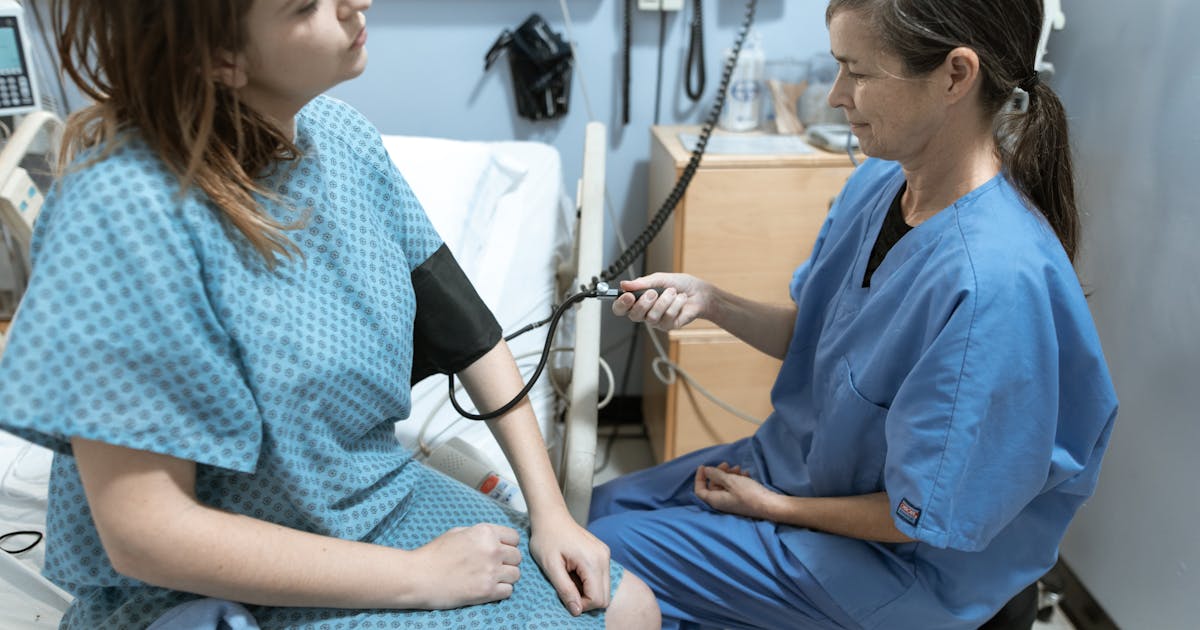
When a senior’s health needs go beyond what can be managed at home or in an assisted living community, skilled nursing care often becomes the next step. Skilled nursing facilities (SNFs) provide the highest level of medical care available outside a hospital, and understanding how they work is essential for families navigating complex health situations.
This guide explains what skilled nursing care is, who needs it, what services are included, and how Medicare and other programs help cover the costs.
What Is Skilled Nursing Care?
Skilled nursing care refers to medical services and treatments that must be performed by licensed healthcare professionals, including registered nurses (RNs), licensed practical nurses (LPNs), and certified therapists. This level of care goes beyond the personal assistance offered in assisted living and includes clinical interventions, ongoing medical monitoring, and rehabilitative therapies.
Skilled nursing facilities, sometimes called nursing homes or convalescent homes, are staffed 24 hours a day with medical professionals who can address complex health conditions and post-surgical recovery needs.
Who Needs Skilled Nursing Care?
Skilled nursing care serves older adults and individuals with medical conditions that require daily professional medical attention. This includes both short-term rehabilitation and long-term custodial care.
Short-Term Skilled Nursing
Many people enter skilled nursing facilities for a temporary stay following:
- Hip or knee replacement surgery
- Stroke requiring intensive rehabilitation
- Heart attack or cardiac surgery recovery
- Serious infections requiring IV antibiotics or wound care
- Fractures or falls that need supervised physical therapy
The goal of short-term skilled nursing is to rehabilitate the patient so they can return home or transition to a lower level of care.
Long-Term Skilled Nursing
Some residents require ongoing skilled nursing care due to:
- Chronic conditions such as advanced COPD, heart failure, or diabetes requiring daily medical management
- Advanced dementia with complex medical needs that exceed what memory care can provide
- Neurological conditions such as advanced Parkinson’s disease, ALS, or multiple sclerosis
- Ventilator dependence or other life-sustaining treatments
- Total dependence on staff for all activities of daily living
What Services Do Skilled Nursing Facilities Provide?
Skilled nursing facilities offer a comprehensive range of medical and supportive services.
Medical and Nursing Services
- 24-hour nursing care with RNs and LPNs on every shift
- Physician oversight with regular visits from attending doctors
- Medication administration and pharmacy services
- Wound care including complex wound management and post-surgical care
- IV therapy and injections
- Pain management programs
- Chronic disease management for conditions like diabetes, heart disease, and respiratory disorders
- Post-operative monitoring and recovery support
Rehabilitation Therapies
Rehabilitation is a major component of skilled nursing care, especially for short-term stays.
| Therapy Type | What It Addresses |
|---|---|
| Physical therapy (PT) | Mobility, strength, balance, walking, transfers |
| Occupational therapy (OT) | Daily living skills, fine motor function, adaptive equipment |
| Speech-language pathology (SLP) | Swallowing disorders, speech and language recovery, cognitive rehabilitation |
| Respiratory therapy | Breathing exercises, ventilator management, oxygen therapy |
Personal Care Services
In addition to medical care, skilled nursing facilities provide:
- Assistance with all activities of daily living (bathing, dressing, grooming, eating, toileting)
- Nutritional planning and dietary services
- Housekeeping and laundry
- Social and recreational activities
- Spiritual care and counseling
What Are the Levels of Care in a Skilled Nursing Facility?
Skilled nursing facilities often categorize residents by the intensity of care they need.
Subacute Care
This is the highest intensity level, typically for patients transitioning directly from a hospital stay. Subacute care involves intensive medical monitoring, complex wound management, or aggressive rehabilitation programs. Stays are usually days to weeks in duration.
Skilled Care
This level involves ongoing need for professional nursing services or therapy. Patients may need daily nursing interventions, IV medications, or regular physical therapy sessions. Stays can range from weeks to months.
Custodial (Long-Term) Care
Custodial care is for residents who need permanent assistance with daily living and ongoing medical supervision but whose conditions are relatively stable. This is the most common level of care in nursing homes and can last months to years.
Respite Care
Some skilled nursing facilities offer short-term respite care stays to give family caregivers a temporary break. These stays typically last from a few days to a few weeks.
How Does Medicare Cover Skilled Nursing Care?
Understanding Medicare coverage for skilled nursing is critical, as many families assume Medicare will pay for long-term nursing home stays. The reality is more nuanced.
What Medicare Part A Covers
Medicare Part A covers skilled nursing facility stays only if the following conditions are met:
- The patient had a qualifying hospital stay of at least 3 consecutive days (not including the discharge day).
- The patient enters the SNF within 30 days of the hospital discharge.
- The patient needs skilled care on a daily basis (not just custodial care).
- A doctor certifies the medical necessity of the stay.
Medicare Coverage Breakdown
| Days | Coverage |
|---|---|
| Days 1-20 | Medicare pays 100% of approved costs |
| Days 21-100 | Patient pays a daily coinsurance (approximately $204.50/day in 2026), Medicare pays the remainder |
| Days 101+ | Medicare pays nothing; patient is responsible for all costs |
What Medicare Does NOT Cover
- Long-term custodial care in a nursing home
- Room and board when only custodial care is needed
- Care that is not medically necessary or prescribed by a physician
Other Payment Sources
- Medicaid is the primary payer for long-term nursing home care for individuals who qualify based on income and asset limits.
- Long-term care insurance may cover skilled nursing stays depending on the policy.
- Veterans benefits through the VA can cover nursing home care for eligible veterans.
- Private pay from personal funds is used by many families, especially during the period before Medicaid eligibility.
How Is Skilled Nursing Different from Assisted Living?
This is a common source of confusion for families. The key distinction is the level of medical care provided.
| Feature | Assisted Living | Skilled Nursing |
|---|---|---|
| Medical care | Minimal, non-clinical | 24-hour skilled nursing |
| Staffing | Aides and caregivers | RNs, LPNs, CNAs, therapists |
| Living space | Private apartment | Private or shared room |
| Regulation | State-regulated | Federally regulated by CMS |
| Average monthly cost | $4,500 - $5,000 | $8,000 - $9,500 |
| Medicare coverage | No | Yes, for qualifying stays |
| Rehabilitation | Limited | Extensive PT, OT, SLP |
For a more detailed comparison, see our guide on assisted living vs. nursing homes.
How to Evaluate a Skilled Nursing Facility
Choosing the right skilled nursing facility requires research and in-person evaluation. Here’s a structured approach.
Check Quality Ratings
The Centers for Medicare & Medicaid Services (CMS) publishes a Five-Star Quality Rating System for all Medicare-certified nursing homes. The ratings are based on:
- Health inspections
- Staffing levels
- Quality measures (such as fall rates, pressure ulcers, and hospital readmissions)
Visit the Facility
During a visit, observe and ask about:
- Cleanliness and odor control throughout the building
- Staff interactions with residents: Are they respectful, patient, and attentive?
- Resident appearance: Do residents look well-groomed and comfortable?
- Meal quality: Can you observe or sample a meal?
- Activity programming: Is there a visible schedule of activities, and are residents participating?
- Staffing ratios: How many nurses and aides are on duty per shift?
Review Inspection Reports
All skilled nursing facilities undergo annual state inspections. Reports detailing any deficiencies and the facility’s response are public record. Review these carefully to understand patterns of concern.
Ask About Discharge Planning
For short-term stays, ask how the facility plans for discharge:
- When does discharge planning begin?
- What support is provided for transitioning home?
- Are home health referrals included?
What Are Common Concerns About Skilled Nursing?
”Nursing homes have a bad reputation.”
While concerns about nursing home quality are valid, many facilities provide excellent care. The key is doing thorough research, visiting in person, and monitoring care after admission. Federal oversight and public quality ratings make it easier than ever to identify high-performing facilities.
”My loved one will lose all independence.”
Quality skilled nursing facilities work to maintain each resident’s independence to the greatest extent possible. Care plans are individualized, and residents are encouraged to participate in decisions about their daily routines.
”We can’t afford it.”
Financial planning for skilled nursing is complex, but resources exist. Medicaid, veterans benefits, long-term care insurance, and Medicare (for short-term stays) can significantly reduce out-of-pocket costs. A financial advisor or eldercare attorney can help families navigate their options.
Find Skilled Nursing Facilities with CareCompass
Finding a quality skilled nursing facility is easier when you have the right tools. CareCompass lets you search skilled nursing facilities by state, compare quality ratings, review inspection reports, and read family reviews.
Whether you need short-term rehabilitation after surgery or long-term care for a chronic condition, CareCompass helps you make informed decisions with confidence.
Start your search at CareCompass and find the right skilled nursing facility for your loved one.

CareCompass Team
Senior Care Advisors
Related Articles

Understanding CMS Star Ratings for Nursing Homes
Learn how the CMS 5-star rating system works for nursing homes. Understand what each rating measures, its limitations, and how to use ratings wisely.
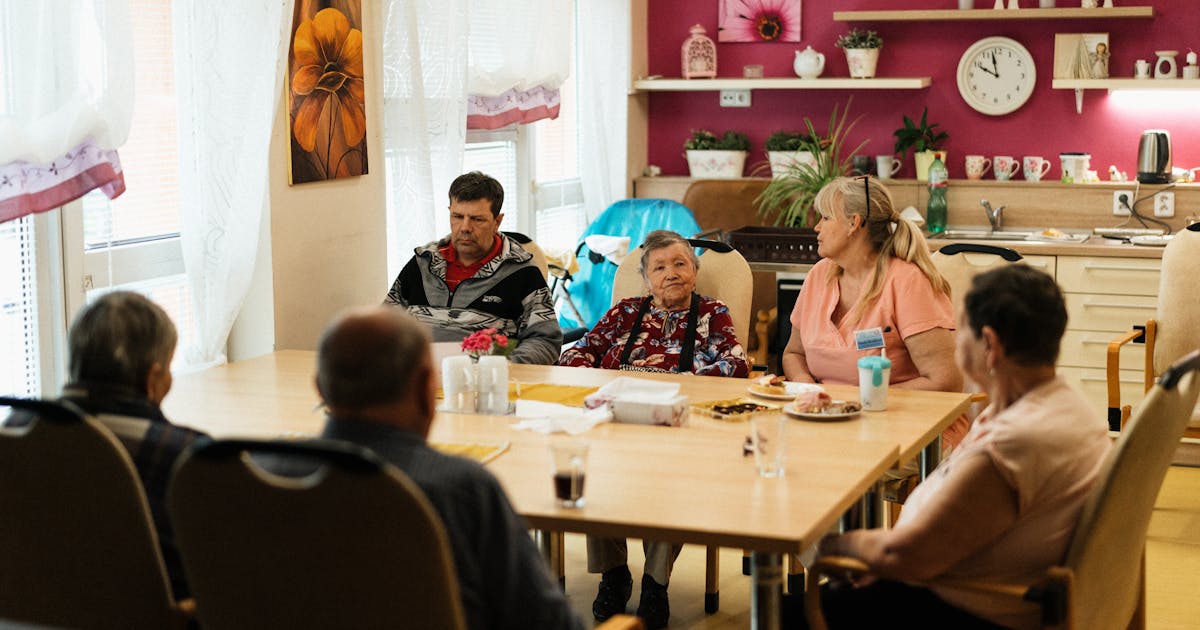
Assisted Living vs Nursing Home: A Detailed Comparison
Compare assisted living and nursing homes side by side. Learn about services, staffing, costs, regulations, and how to decide which is right for your family.
Diabetes Management in Senior Care Facilities: A Complete Family Guide
Learn how senior care facilities manage diabetes, including blood sugar monitoring, insulin administration, dietary planning, and what families should ask.