Activities and Programs in Senior Living: What to Expect and Why They Matter
Activities in senior living communities are far more than entertainment. Structured programs directly impact cognitive health, physical function, emotional well-being, and social connectedness. Research consistently shows that residents who participate in regular activities experience slower cognitive decline, fewer depressive symptoms, and higher overall satisfaction with their living situation. This guide explains what types of programs you should expect, how to evaluate their quality, and why they matter for your loved one’s long-term health.
Why Activities Matter in Senior Living
Before examining specific program types, it is worth understanding why structured activities are considered a core component of quality senior care rather than optional extras.
Cognitive preservation: Engaging the brain through puzzles, discussions, learning, and creative projects helps maintain neural pathways and can slow the progression of mild cognitive impairment.
Physical health: Regular physical activity, even gentle chair exercises, reduces fall risk, maintains mobility, improves cardiovascular health, and helps manage chronic conditions like diabetes and arthritis.
Emotional well-being: Isolation and boredom are among the leading contributors to depression in older adults. Structured activities provide purpose, routine, and accomplishment.
Social connection: Activities create natural opportunities for interaction. Shared experiences build friendships that combat the loneliness many seniors face after leaving their homes and neighborhoods.
Common Types of Activities in Senior Living Communities
Physical Fitness Programs
Most communities offer a range of exercise options designed for varying ability levels:
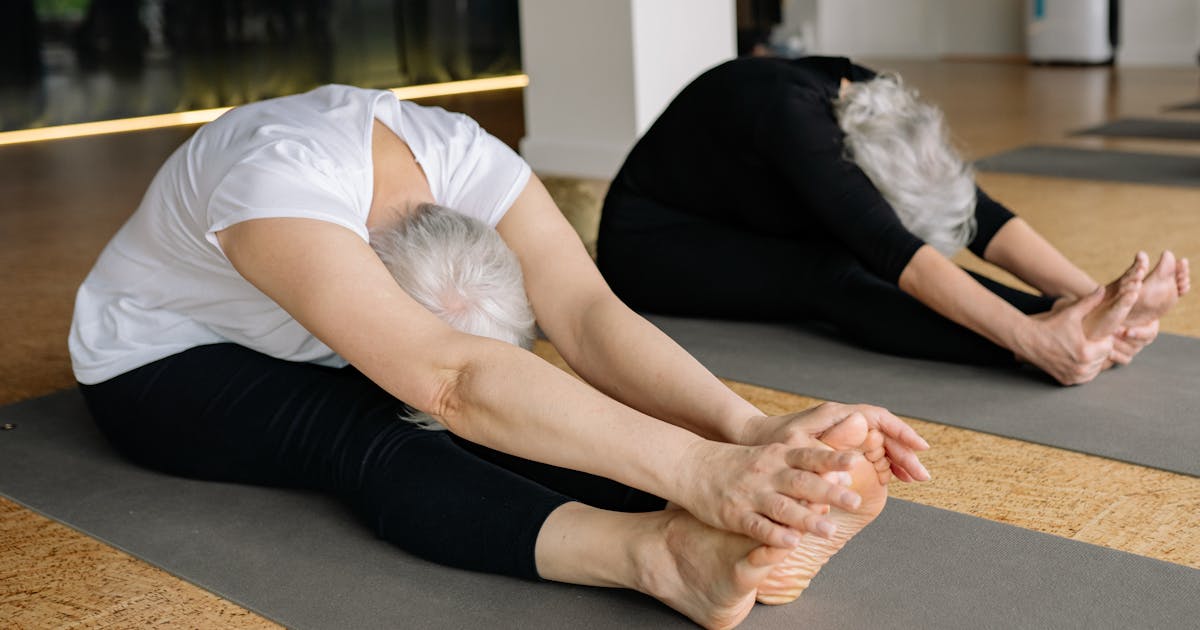
- Chair yoga and seated exercises for residents with limited mobility
- Walking clubs that use indoor hallways or outdoor paths
- Tai chi and balance classes specifically designed to reduce fall risk
- Water aerobics in communities with pools
- Strength training with resistance bands supervised by trained staff
- Dance classes ranging from ballroom to line dancing
- Stretching and flexibility sessions often offered daily
The best programs are led by certified fitness instructors with training in senior exercise physiology and include modifications for different ability levels within the same class.
Cognitive and Brain Health Programs
Cognitive stimulation is particularly important for residents with mild cognitive impairment or early-stage dementia, though all seniors benefit:
- Trivia and quiz games that exercise recall and general knowledge
- Brain fitness software on tablets or computers
- Book clubs and discussion groups that promote critical thinking and social interaction simultaneously
- Current events discussions that keep residents engaged with the wider world
- Memory games and puzzles including crosswords, Sudoku, and jigsaw puzzles
- Educational lectures and presentations on topics from history to science to travel
- Language classes which are among the most effective cognitive stimulation activities
For residents with more advanced memory concerns, specialized programs like Montessori-based activities and reminiscence therapy use past experiences to engage residents at their current cognitive level. Learn more about memory-specific programs in our guide to memory care.
Social Events and Community Building
Social programming creates the fabric of community life:
- Happy hours and social mixers (non-alcoholic options always available)
- Holiday celebrations and seasonal parties for major holidays and cultural observances
- Birthday and milestone celebrations recognizing individual residents
- Themed dinner events that break the routine of daily meals
- Movie nights with popcorn and refreshments
- Game nights featuring card games, board games, and bingo
- Intergenerational programs that bring children from local schools or daycare centers into the community
- Resident council meetings where seniors have a voice in community decisions
Creative Arts Programs
Creative expression provides emotional outlets and cognitive stimulation:
- Painting and drawing classes in various media
- Pottery and ceramics in communities with studio space
- Music programs including choirs, instrument groups, and music appreciation sessions
- Writing workshops for memoir writing, poetry, or journaling
- Crafting groups for knitting, quilting, scrapbooking, and seasonal projects
- Photography classes often using tablets or smartphones
- Theater and drama groups that may prepare performances for fellow residents
Outings and Excursions
Regular outings connect residents with the broader community:
- Restaurant trips to local dining establishments
- Shopping excursions to malls or grocery stores
- Museum and gallery visits
- Scenic drives through the local area
- Attendance at local concerts, plays, and sporting events
- Visits to parks and botanical gardens
- Day trips to nearby attractions
Outings are particularly valuable because they counteract the feeling of being confined to a single building and maintain the resident’s connection to the outside world.
Spiritual and Religious Programs
Many communities accommodate diverse spiritual needs:
- On-site worship services from various denominations
- Visits from local clergy and spiritual leaders
- Bible study and scripture discussion groups
- Meditation and mindfulness sessions
- Prayer groups
- Holiday observances for multiple faith traditions
Volunteer and Purpose-Driven Activities
Having a sense of purpose significantly impacts senior well-being:
- Community garden tending where residents grow flowers or vegetables
- Knitting or crafting for charity (making blankets for shelters, hats for newborns)
- Mentoring programs with local students
- Letter-writing campaigns to troops overseas or isolated seniors
- Fundraising events organized by and for residents
- Pet care responsibilities for community animals
Personalized Activities: Beyond the Group Calendar
The best senior living communities recognize that a one-size-fits-all activity calendar does not serve every resident. Personalized programming considers individual interests, abilities, and preferences.
What Personalized Programming Looks Like
- Interest assessments at move-in. Staff interview new residents about hobbies, career backgrounds, and passions to tailor recommendations.
- One-on-one activities for residents who are not comfortable in groups, such as individual art sessions, reading companions, or personal music playlists.
- Adaptive activities modified for residents with physical or cognitive limitations so they can participate meaningfully.
- Life enrichment plans that set specific engagement goals for each resident.
Questions to Ask About Activity Personalization
When evaluating a community, ask:
- How do you learn about a new resident’s interests?
- What options exist for residents who do not enjoy group activities?
- How do you adapt activities for residents with dementia or physical limitations?
- Do you adjust programming based on resident feedback?
- What is the ratio of activities staff to residents?
How to Evaluate an Activity Program’s Quality
Not all activity programs are created equal. Some communities post impressive calendars that do not reflect the actual experience. Here is how to assess whether a program is genuinely robust:
Look Beyond the Calendar
- Visit during an activity. Tour the community at a time when an event is scheduled and observe. Are residents engaged? Is the activity well-organized? Are staff members actively facilitating?
- Talk to current residents. Ask what activities they enjoy most and whether the offerings match their interests.
- Ask about attendance rates. A calendar full of events that few people attend may indicate poorly designed programming.
Evaluate Staffing
- Dedicated activities staff. Quality communities employ full-time activities directors and coordinators, not nursing aides filling in when they have spare time.
- Qualifications. Look for activities staff with certifications like the Activity Director Certified (ADC) or Certified Therapeutic Recreation Specialist (CTRS).
- Staff-to-resident ratios. A single activities director for 100 residents will deliver a very different experience than a team of three or four.
Assess Variety and Frequency
- Activities should be offered throughout the day, including evenings and weekends.
- Programming should cover physical, cognitive, social, creative, and spiritual domains.
- There should be options for different ability levels and interest areas.
- The calendar should change regularly to prevent monotony.
Check for Evidence-Based Programming
Leading communities incorporate programs backed by research:
- Music and Memory programs using personalized music playlists for dementia residents
- TimeSlips creative storytelling for cognitive engagement
- SilverSneakers or similar certified fitness programs
- Cognitive Stimulation Therapy (CST) structured programs for cognitive health
Encouraging Participation When a Resident Is Reluctant
Many families worry when a loved one does not engage with available activities. Some practical strategies can help:
- Start with activities related to the resident’s lifelong interests rather than unfamiliar ones.
- Attend an activity together during a visit to reduce the social barrier.
- Ask staff to personally invite the resident rather than relying on posted schedules.
- Begin with smaller, less intimidating groups.
- Respect the resident’s choice if they genuinely prefer solitary activities like reading or watching television, as long as they are not completely isolated.
For more on helping a loved one settle in, see our guide on adjusting to senior living.
Conclusion
Activities in senior living are not just ways to pass the time. They are essential components of health, happiness, and quality of life. When evaluating communities, give the activities program the same scrutiny you would give the medical care, staffing ratios, and safety features. A vibrant, well-staffed program with diverse offerings tailored to individual interests is one of the clearest indicators of a community that prioritizes residents’ well-being. Ask to see the calendar, visit during an event, talk to current residents, and pay attention to the energy in the common areas. The difference between a community that takes activities seriously and one that treats them as an afterthought is immediately visible. For a broader view of evaluating senior living options, see our guide to choosing an assisted living facility.
Related Reading

CareCompass Team
Senior Care Advisors
Related Articles
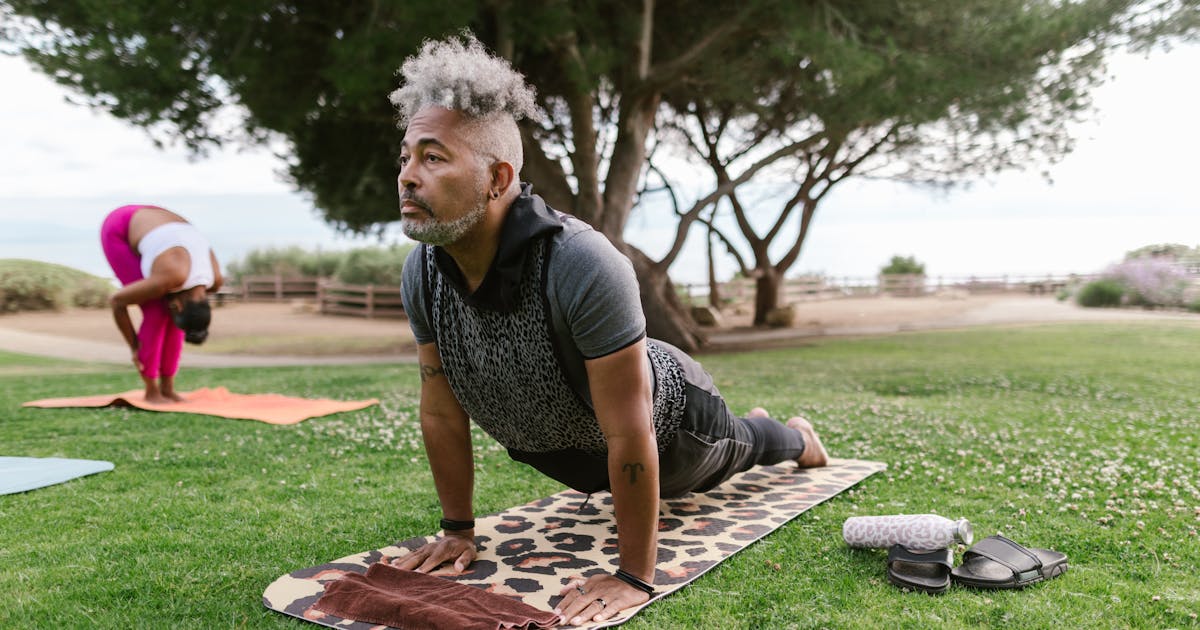
Exercise and Fitness Programs in Senior Living: Staying Active at Every Ability Level
Discover senior exercise programs from chair yoga to strength training. Learn how fitness in senior living improves health, mobility, and quality of life.

Downsizing for Senior Living: A Practical Room-by-Room Guide
Step-by-step guide to downsizing for a move to senior living. Practical tips for every room, emotional support strategies, and timeline planning.
The Ultimate Senior Care Checklist: A Step-by-Step Decision-Making Guide
Use this step-by-step senior care checklist to assess needs, compare options, tour facilities, and make a confident care decision for your loved one.