Exercise and Fitness Programs in Senior Living: Staying Active at Every Ability Level
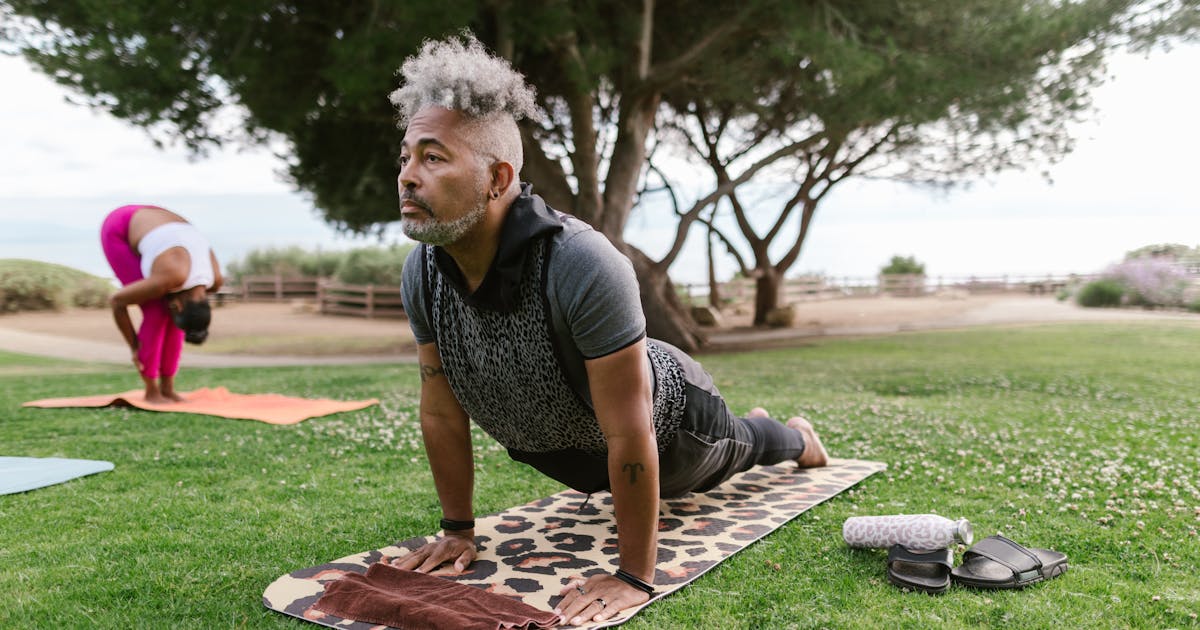
Physical activity is one of the most powerful tools available for maintaining health, independence, and quality of life in older adulthood. The evidence is overwhelming: regular exercise reduces fall risk, improves cardiovascular health, strengthens bones, eases depression and anxiety, and can even slow cognitive decline. Yet nearly 60% of older adults do not meet recommended physical activity guidelines.
The barrier is rarely a lack of willingness. More often, it is uncertainty about what exercises are safe, fear of injury, limited mobility, or simply not knowing where to start. This guide breaks down the most effective fitness programs for seniors, including options for every ability level, and explains what to look for in a senior living community’s fitness offerings.
Why Exercise Matters More as You Age
The benefits of exercise do not diminish with age. In fact, physical activity becomes more important as the body naturally loses muscle mass, bone density, flexibility, and cardiovascular efficiency.
Key benefits of regular exercise for seniors:
- Fall prevention: Balance and strength exercises reduce fall risk by 23% to 40%, according to research published in the British Medical Journal
- Cardiovascular health: Regular aerobic activity lowers blood pressure, improves cholesterol levels, and reduces heart disease risk
- Bone density: Weight-bearing exercises slow bone loss and reduce fracture risk from osteoporosis
- Cognitive function: Aerobic exercise increases blood flow to the brain and has been shown to reduce the risk of dementia by up to 30%
- Mental health: Physical activity reduces symptoms of depression and anxiety, improves sleep quality, and boosts mood
- Pain management: Gentle movement and stretching can reduce chronic pain from arthritis, fibromyalgia, and other conditions
- Social connection: Group exercise classes combat isolation by providing regular social interaction
The Centers for Disease Control and Prevention recommends that adults 65 and older get at least 150 minutes of moderate-intensity aerobic activity per week, plus muscle-strengthening activities on two or more days per week. But any amount of physical activity is better than none, and programs should be tailored to individual abilities and health conditions.
Chair Exercises: Fitness for Limited Mobility
Chair-based exercise programs are designed for seniors who have difficulty standing for extended periods, use a wheelchair, or are recovering from surgery or illness. These programs provide meaningful physical benefits while minimizing fall risk.
Common chair exercises include:
- Seated marching: Lifting knees alternately while sitting to improve circulation and hip flexor strength
- Arm raises and circles: Building shoulder mobility and upper body strength using light weights or resistance bands
- Seated leg extensions: Straightening each leg from a bent position to strengthen quadriceps
- Ankle pumps and circles: Improving lower extremity circulation, particularly important for those with diabetes or peripheral vascular disease
- Seated twists: Gentle torso rotation to maintain spinal mobility
- Resistance band exercises: Using elastic bands for bicep curls, chest presses, and rowing motions
Chair exercise classes are commonly offered in assisted living communities, memory care facilities, and adult day programs. They are also widely available as video programs for those aging in place. Look for programs led by certified instructors who understand how to modify movements for different ability levels.
Water Aerobics and Aquatic Therapy
Water-based exercise is exceptionally well-suited for seniors because water provides buoyancy that reduces stress on joints while also providing natural resistance for strengthening muscles.
Advantages of aquatic exercise:
- Buoyancy supports up to 90% of body weight, reducing joint pain during movement
- Water resistance builds muscle without the need for heavy weights
- Warm water (typically 83-88 degrees in therapeutic pools) soothes arthritis and muscle stiffness
- The hydrostatic pressure of water improves circulation and reduces swelling
- Lower risk of fall-related injuries compared to land-based exercise
Types of aquatic programs:
- Water aerobics: Group classes that combine cardio and strength exercises in shallow water
- Aquatic therapy: One-on-one sessions with a physical therapist, often covered by Medicare for specific conditions
- Lap swimming: Independent swimming for cardiovascular fitness
- Water walking: Walking laps in the pool for those who find land-based walking painful
When evaluating senior living communities, ask whether the facility has a pool and whether it offers structured aquatic programs. Heated, accessible pools with zero-entry (gradual slope rather than steps) are particularly valuable.
Walking Programs
Walking is the most accessible form of exercise and requires no special equipment or training. For seniors who are ambulatory, a consistent walking program can significantly improve cardiovascular health, balance, and endurance.
Effective walking programs for seniors:
- Indoor walking groups: Many senior centers and assisted living communities organize group walks through hallways, especially during extreme weather
- Mall walking programs: Shopping malls often open early for senior walking groups, providing a flat, climate-controlled, and safe environment
- Nature walks: Supervised walks on accessible trails combine exercise with the mental health benefits of spending time outdoors
- Walking clubs: Community-based clubs that offer social interaction alongside physical activity
Walking program guidelines:
- Start with 10-minute walks and gradually increase to 30 minutes
- Walk on flat, even surfaces to reduce trip and fall risk
- Wear supportive, well-fitting shoes with non-slip soles
- Bring water and take breaks as needed
- Use a walking aid if balance is a concern; there is no shame in using a cane or walker
- Walk with a companion when possible for safety and social interaction
For seniors recovering from a fall, walking programs can be an important part of rehabilitation and confidence rebuilding. See our fall prevention guide for more strategies.
Yoga and Tai Chi for Seniors
Both yoga and tai chi emphasize slow, controlled movements, breathing, and balance, making them ideal for older adults. Research consistently shows that these practices reduce fall risk, improve flexibility, and reduce stress.
Chair yoga is a modified form of yoga performed while seated or using a chair for support. It is appropriate for nearly all ability levels and focuses on:
- Gentle stretching and range of motion
- Breathing exercises that reduce anxiety
- Mindfulness and body awareness
- Core stability without floor work
Tai chi involves a series of slow, flowing movements and is sometimes described as “meditation in motion.” Studies have shown that tai chi:
- Reduces fall risk by up to 50% in some studies
- Improves balance and proprioception (awareness of body position)
- Lowers blood pressure
- Reduces chronic pain
- Improves sleep quality
Both practices can be adapted for any fitness level. When evaluating programs, look for instructors who have specific training in teaching older adults, as standard yoga or tai chi classes may not provide appropriate modifications.
Strength Training for Seniors
Muscle mass naturally decreases by 3% to 8% per decade after age 30, a process called sarcopenia that accelerates after 60. Strength training is the most effective countermeasure.
Safe strength training for seniors includes:
- Resistance bands: Lightweight, portable, and available in varying resistance levels. Excellent for upper and lower body exercises with minimal injury risk
- Light free weights: Dumbbells of 1 to 5 pounds for arm exercises. Progress gradually
- Body weight exercises: Wall push-ups, seated squats using a chair for support, and heel raises
- Weight machines: Gym machines are safer than free weights for seniors because they guide movement along a fixed path, reducing the risk of improper form
Strength training guidelines for seniors:
| Guideline | Recommendation |
|---|---|
| Frequency | 2-3 sessions per week |
| Sets and reps | 1-2 sets of 10-15 repetitions |
| Intensity | Moderate; should be able to complete the set with some effort |
| Rest between sets | 1-2 minutes |
| Progression | Increase weight or resistance only when current level feels easy |
| Supervision | Work with a certified trainer initially to learn proper form |
Strength training is safe for most older adults, including those with chronic conditions, when performed with appropriate supervision and at appropriate intensity. Consult a physician before starting any new strength program, particularly after a cardiac event, surgery, or significant period of inactivity.
Balance Exercises for Fall Prevention
Balance is a skill that can be trained and improved at any age. Dedicated balance exercises are one of the most effective interventions for preventing falls.
Progressive balance exercises:
- Standing near a wall or chair: Simply standing with feet together while near a support, progressing to standing without holding on
- Heel-to-toe walking: Walking in a straight line placing the heel of one foot directly in front of the toes of the other
- Single-leg stands: Standing on one foot for 10 to 30 seconds while holding a chair, progressing to unassisted
- Weight shifts: Shifting weight from one foot to the other in a controlled manner
- Marching in place: Lifting knees while maintaining upright posture
Evidence-based balance programs:
- Otago Exercise Programme: A home-based program of balance and strength exercises developed specifically for fall prevention in older adults. Shown to reduce falls by 35%
- Stepping On: A community-based program combining balance training with education about home hazards and safe behaviors
- A Matter of Balance: A structured program that addresses both physical balance and the fear of falling
Senior living communities with strong wellness programs typically offer dedicated balance classes several times per week. This is a meaningful differentiator when comparing facilities.
Adaptive Fitness Programs for Specific Conditions
Effective senior fitness programs recognize that one size does not fit all. Specific health conditions require specific adaptations.
Arthritis: Low-impact activities such as swimming, cycling, and gentle stretching. Avoid high-impact exercises that stress inflamed joints. The Arthritis Foundation offers Aquatic and Exercise programs designed specifically for people with arthritis.
Parkinson’s disease: Programs like Rock Steady Boxing, Dance for PD, and LSVT BIG use large, exaggerated movements to combat the rigidity and bradykinesia (slowness of movement) common in Parkinson’s. For more on Parkinson’s care, see our Parkinson’s disease care guide.
Dementia: Simplified, repetitive exercises with music and social interaction. Avoid complex sequences that require remembering multiple steps. Focus on enjoyment and movement quality rather than performance.
Heart failure or cardiac conditions: Cardiac rehabilitation programs supervised by healthcare professionals. Emphasize gradual progression and monitoring of heart rate and blood pressure.
Osteoporosis: Weight-bearing exercises and balance training to reduce fracture risk. Avoid high-impact activities, forward bending from the waist, and twisting movements that could cause vertebral fractures.
What to Look for in a Senior Living Fitness Program
If you are evaluating senior living communities, the quality and breadth of the fitness program is a strong indicator of overall commitment to resident well-being.
Questions to ask about fitness offerings:
- What group fitness classes are offered and how often?
- Are classes available for different ability levels, including wheelchair-bound residents?
- Is there an on-site fitness center, and what equipment does it include?
- Are personal trainers or exercise physiologists on staff?
- Does the facility have a pool or therapy pool?
- Are physical therapy and occupational therapy services available on-site?
- How does the staff encourage inactive residents to participate?
- Are outdoor walking paths available and maintained?
- Does the facility partner with any evidence-based exercise programs?
The best programs offer variety, accessibility, qualified instruction, and a culture that normalizes and celebrates physical activity. Look beyond the brochure and ask current residents whether they actually use and enjoy the fitness offerings.
Conclusion
Staying physically active is one of the most impactful things a senior can do for their health, independence, and quality of life. The right exercise program exists for every ability level, from vigorous water aerobics to gentle chair-based stretching. When choosing a senior living community or designing an aging-in-place fitness routine, prioritize programs that match current abilities, provide appropriate supervision, and offer a path for gradual progression. The most important step is the first one: starting today, at whatever level is achievable, and building from there.

CareCompass Team
Senior Care Advisors
Related Articles

Downsizing for Senior Living: A Practical Room-by-Room Guide
Step-by-step guide to downsizing for a move to senior living. Practical tips for every room, emotional support strategies, and timeline planning.

The Ultimate Senior Care Checklist: A Step-by-Step Decision-Making Guide
Use this step-by-step senior care checklist to assess needs, compare options, tour facilities, and make a confident care decision for your loved one.
Aging in Place: How to Make Your Home Safe and Accessible for Senior Living
Learn how to modify your home for safe aging in place, from bathroom grab bars to smart technology, plus when to consider transitioning to senior care.